 Ultimate guide
Why Hire Professional Electricians for Renovations
Table of Contents
- Why Professional Electricians Matter for Renovation Projects
- Compliance with Local Electrical Codes and Building Permits
- Safety and Risk Mitigation in Electrical Work
- Planning Your Electrical Layout for Home Renovation
- Electrical Rough In Timeline for Renovations
- Insurance, Liability Protection, and Resale Value Impact
- Upgrading Electrical Panels and Capacity During Remodels
- Conclusion
- Frequently Asked Questions
Last Updated: September 27, 2026
Why Professional Electricians Matter for Renovation Projects
When planning a home renovation, understanding why hire professional electricians for renovations often feels overlooked, yet it's critical. Cutting corners or tackling it yourself usually backfires.
Electrical work during renovations is infrastructure that determines safety, code compliance, insurance coverage, and resale value. Curtis Capra Electrician has spent over 25 years helping homeowners on Cape Cod navigate this, and the difference between professional and amateur work is stark.
Why hire professional electricians for renovations? The stakes are high, codes are strict, and mistakes cost far more than the service. A licensed electrician brings compliance, safety, liability protection, and peace of mind.
Compliance with Local Electrical Codes and Building Permits
Electrical code is law. Every state has adopted the National Electrical Code (NEC) with local amendments. Renovation work requires permits, inspections, and documentation proving code compliance.
The permitting process is a legal requirement, not a formality. Unpermitted work voids insurance coverage if something goes wrong. Home inspectors flag unpermitted work, and buyers demand expensive remediation or walk away.
The Actual Permitting and Inspection Workflow
-
Permit Application: A licensed electrician submits an application to the local building department with a description of work, site plan, and estimated cost. Some jurisdictions require load calculations and circuit diagrams for panel upgrades.
-
Plan Review: The building department reviews the application against local code and the NEC (3-10 business days). Incomplete applications trigger a "Request for Information" and restart the process.
-
Permit Issuance: Once approved, you receive a permit number and a posted notice that must be displayed at the job site. The permit is your legal authorization to begin work.
-
Rough-In Inspection: After wiring and panels are installed (before drywall), the electrician schedules inspection. A municipal inspector verifies code compliance (wire sizing, circuit protection, grounding, GFCI/AFCI placement) and approves or issues corrections.
-
Final Inspection: After all work is complete, a final inspection verifies corrections, tests circuits, and confirms safety and code compliance. Work is legally complete only after approval.
-
Permit Closure and Documentation: The building department issues a "Certificate of Occupancy" or "Permit Closure" document. This becomes part of your home's permanent electrical record and is critical when you sell.
Curtis Capra Electrician handles the entire permitting process for every renovation project on Cape Cod, pulling permits, coordinating inspections, making corrections, and ensuring final sign-off. You avoid juggling phone calls with the building department.
Unpermitted work voids insurance coverage, kills resale value (buyers demand remediation or walk away), creates personal liability, and triggers code enforcement violations.
Pros of hiring a licensed electrician for code compliance:
- All work is permitted, inspected, and documented by local authorities
- Inspection checkpoints catch code violations before they become expensive problems
- Final documentation protects you in insurance claims and home sales
- Reduces liability exposure during and after the project
- Avoids costly remediation or delays when selling
Cons of DIY or unlicensed work:
- Unpermitted work voids insurance coverage
- Buyers and inspectors flag code violations during sale, often killing the deal
- You're personally liable if someone is injured or property is damaged
- Building department can issue violations and demand expensive remediation
- Lenders may refuse to finance a home with unpermitted electrical work
Safety and Risk Mitigation in Electrical Work
Electrical hazards are invisible and immediate. You can't see voltage or tell if a wire is live. Electrocution, arc flash, and fires kill or injure people every year.
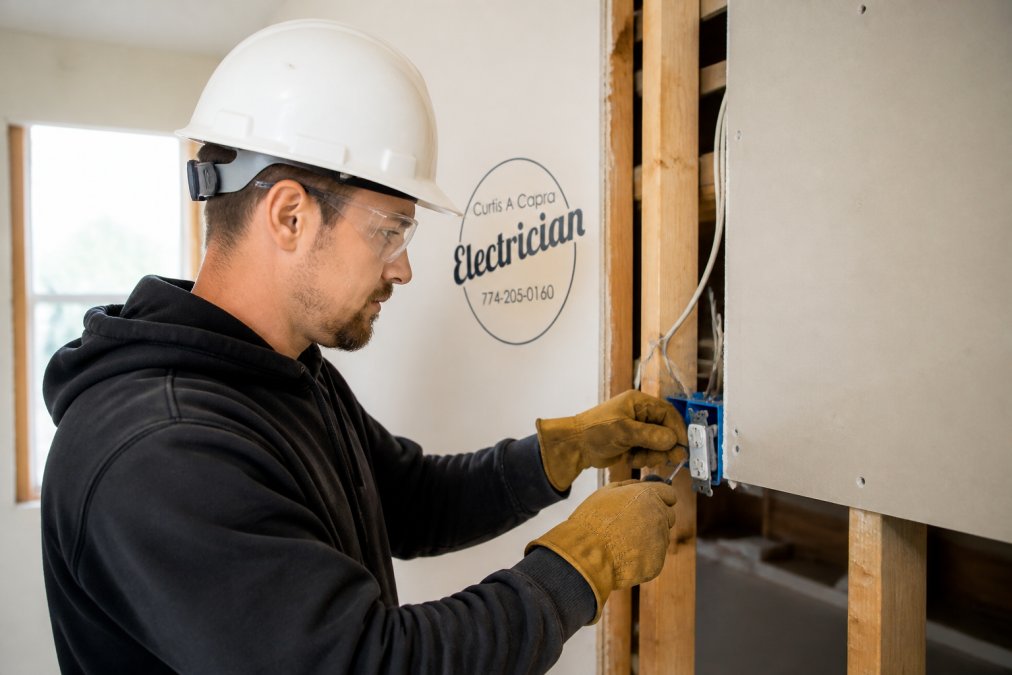
A licensed electrician is trained to recognize hazards, uses proper protective equipment, tests for live circuits, and follows lockout-tagout procedures. They understand grounding, bonding, GFCI/AFCI protection, and fire prevention.
Panel upgrades and new circuits involve the main service entrance, the most dangerous part of your home's electrical system. One mistake causes fire or electrocution. A professional has the knowledge, experience, and insurance to do this safely.
Pros of professional electrical safety:
- Trained to recognize and mitigate electrical hazards
- Proper use of testing equipment and protective gear
- Reduces fire risk and electrocution risk to zero
Cons of DIY electrical work:
- No training in hazard recognition or safe procedures
- Increased risk of electrocution, arc flash, or fire
- Personal liability if someone is injured
Planning Your Electrical Layout for Home Renovation
Before wiring begins, you need a plan: outlet locations, circuit count, load calculations, wiring routing, and smart home integration.
A professional electrician walks through the space, understands your needs (kitchen renovation, heat pump, generator, smart home systems), and designs an efficient, safe, future-proof layout.
Traditional Electrical Planning: Load Calculations and Circuit Design
DIY attempts fail because you're guessing about load calculations, circuit capacity, and wire sizing. An electrician calculates actual load, determines circuit count, sizes wire correctly, and ensures panel capacity.
For Cape Cod renovations, where many homes have older infrastructure, Curtis Capra Electrician assesses your system, identifies constraints, and recommends upgrades before problems arise.
A professional electrician calculates total load, sizes circuits and wire to code, plans for future expansion (EV chargers, additional circuits), and identifies panel upgrade needs early.
Modern Electrical Planning: Smart Home Integration and Low-Voltage Systems
Modern renovations include smart home technology: thermostats, lighting, security, automation, Wi-Fi, and connected appliances. These require careful electrical planning beyond traditional design.
Professional planning ensures low-voltage wiring (Cat6, speaker wire, control wiring) is run during rough-in before drywall, kept separate from high-voltage circuits, and properly routed.
Pros of professional electrical planning:
- Accurate load calculations and circuit sizing prevent overload and fire risk
- Low-voltage infrastructure for smart home systems is planned and installed during rough-in, not retrofitted later
- Future-proof design handles new equipment, heat pumps, generators, and EV chargers
- Identifies existing system limitations before they cause problems
- Integrates traditional and smart home electrical systems seamlessly
- Reduces costly retrofitting and ensures code compliance
Cons of DIY or incomplete planning:
- Guesswork on load and capacity leads to overloaded circuits
- Undersized wire causes voltage drop, inefficiency, and fire risk
- Smart home systems installed without planning are unreliable and expensive to upgrade
- No consideration for future expansion or modern technology integration
- Code violations discovered during inspection require expensive corrections
- Retrofitting low-voltage infrastructure after drywall is closed is disruptive and costly
Electrical Rough In Timeline for Renovations
The electrical rough-in is when wiring, conduit, and boxes are installed inside walls before drywall goes up. This phase happens early in a renovation and sets the timeline for everything that follows.
Pros of professional scheduling:
- Realistic timelines that fit the renovation sequence
- Permits and inspections scheduled in advance
- No delays to drywall, painting, or final phases
Cons of DIY or delayed electrical work:
- Contractor delays waiting for electrical rough-in
- Missed inspection windows extend the project timeline
- Rushed work to "catch up" leads to code violations
Insurance, Liability Protection, and Resale Value Impact
Here's what most homeowners miss: unpermitted or improperly installed electrical work kills your home's resale value. When a buyer's inspector finds it, the sale stalls. The buyer demands it be brought to code (expensive remediation), or they walk away. Either way, you lose.
Pros of professional electrical work for resale:
- Permitted work is disclosed as an upgrade, not a liability
- Increases buyer confidence and home value
- Insurance covers liability during installation
Cons of unpermitted or DIY work:
- Reduces resale value or kills the sale entirely
- No insurance coverage if something goes wrong
- Buyer demands expensive remediation before closing
Upgrading Electrical Panels and Capacity During Remodels
Many older homes on Cape Cod have 100-amp or 150-amp electrical service. Modern homes need 200 amps. When you're adding a heat pump, installing a standby generator, or significantly expanding your home, you often need a panel upgrade.
Pros of professional panel upgrades:
- Accurate capacity assessment prevents overload
- Coordination with utility company and inspectors
- Properly installed and inspected by authorities
Cons of inadequate or DIY panel work:
- Overloaded circuits trip breakers constantly
- Fire risk from undersized service entrance
- No utility company support or inspection
Conclusion
Hiring a professional electrician for your renovation isn't an expense, it's protection. You're protecting your safety, your liability, your home's value, and your peace of mind. A licensed electrician brings compliance, expertise, and accountability that you can't replicate with YouTube videos and a trip to the hardware store.
Frequently Asked Questions
Why is it dangerous to perform DIY electrical work during a renovation?
DIY electrical work creates serious hazards: improper wiring can cause fire hazards, electrical shocks, and code violations that fail inspection. A licensed electrician understands grounding and bonding, circuit breaker sizing, and voltage drop calculations that prevent these risks. If you're unfamiliar with electrical infrastructure, mistakes can damage appliances, injure occupants, or void your home insurance. Professional electricians ensure the work meets current electrical code standards and passes inspection.
What are the legal requirements for electrical permits in residential renovations?
Most jurisdictions require electrical permits for any new circuits, outlet installation, panel upgrades, or significant wiring changes during a renovation. Permits trigger a mandatory inspection by a building official who verifies the work meets the National Electrical Code (NEC) and local electrical codes. Working without permits can result in fines, failed home inspections, insurance claim denial, and resale complications. A licensed electrician handles permitting as part of the job, ensuring compliance and protecting your investment.
How does hiring a licensed electrician affect home insurance and resale value?
Insurance companies may deny claims if electrical work wasn't done by a licensed, insured contractor. Unpermitted or code-violating electrical work discovered during a home inspection can kill a sale or force costly repairs before closing. Conversely, professional electrical work documented with permits and inspection certificates increases buyer confidence and resale value. Licensed electricians like Curtis Capra Electrician provide proof of licensing and insurance, protecting both your liability and your home's future marketability.
What should I expect from the electrical rough in timeline for renovations?
The rough-in phase typically occurs after framing but before drywall, when electricians run wiring, install boxes, and set up circuits. Timeline depends on project scope, but most residential renovations require 3-7 days for rough-in work. Delays can cascade through your entire project schedule. Hiring an experienced, reliable licensed electrician ensures the work stays on schedule and coordinates smoothly with other trades like plumbing. Curtis Capra Electrician works efficiently to keep your renovation on track.
When you're ready to plan the electrical side of your renovation, get a free quote from Curtis Capra Electrician. We'll assess your current system, understand your renovation goals, and give you a clear plan and timeline. Let's make sure your electrical work is safe, code-compliant, and adds real value to your home.