 Ultimate guide
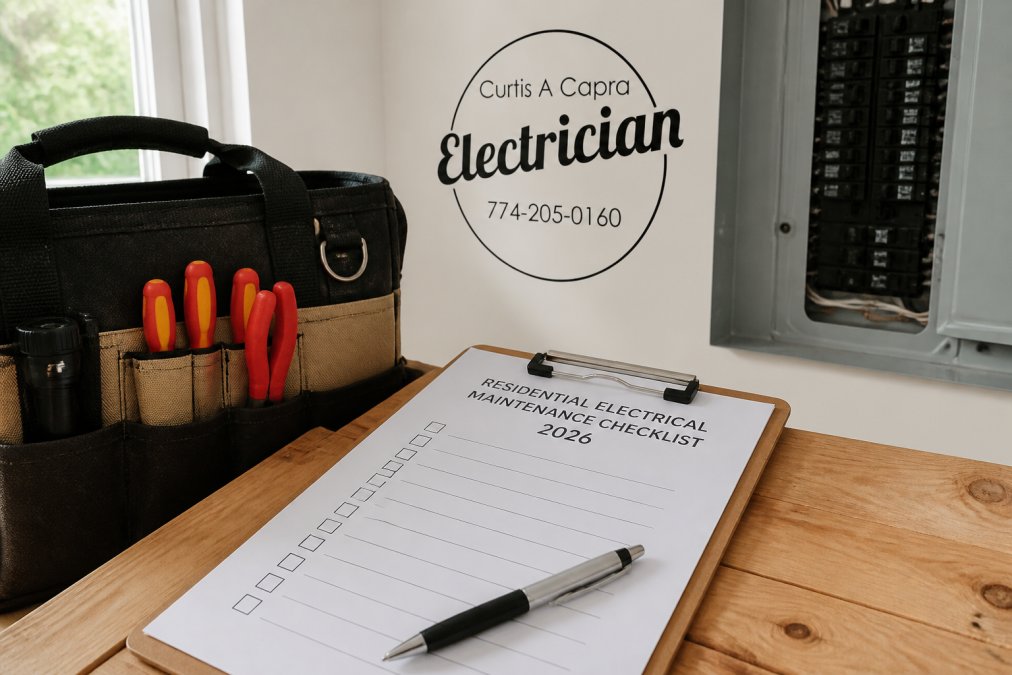
Residential Electrical Maintenance Checklist 2026
Table of Contents
- Why Residential Electrical Maintenance Matters
- Signs of Faulty Electrical Wiring You Should Know
- Monthly and Seasonal Electrical Maintenance Tasks
- How Often to Inspect Your Electrical Panel
- Electrical Maintenance Tools for Homeowners
- Hiring a Licensed Electrician for Home Inspection
- Smart Home Electrical Load Management and Energy Efficiency
- DIY vs. Professional Scope: What You Can and Cannot Do
- Frequently Asked Questions
Last Updated: September 21, 2026
Why Residential Electrical Maintenance Matters
A single electrical failure can cost thousands in repairs or endanger your family. Residential electrical maintenance checklist systems prevent emergencies before they happen, keeping your home safe and your systems running efficiently. Curtis Capra Electrician has spent over 25 years helping Cape Cod homeowners avoid costly disasters through proactive electrical care.
Most homeowners treat electrical systems like appliances, they ignore them until something breaks. That approach is expensive and dangerous. Electrical fires cause an estimated 51,000 home fires annually in the United States, according to the National Fire Protection Association. A solid electrical maintenance checklist catches problems early, when they're cheap to fix.
Your home's electrical system ages just like everything else. Wiring insulation deteriorates. Connections loosen. Circuit breakers wear out. A residential electrical maintenance checklist gives you a systematic way to catch these issues. Curtis Capra Electrician recommends treating electrical maintenance the same way you treat your HVAC system, with regular, scheduled attention.
Signs of Faulty Electrical Wiring You Should Know
Faulty electrical wiring announces itself through specific, observable signs. Your job is recognizing them before they become emergencies.
Flickering lights that persist across multiple rooms suggest a loose connection at the service panel or a failing circuit breaker. This isn't cosmetic, it indicates arcing, which generates heat and can ignite nearby materials. Dimming lights when you use high-draw appliances like your dishwasher or electric dryer signal that your panel is struggling to distribute power safely. A properly sized electrical system handles these loads without voltage sag.
Warm or discolored outlets are immediate red flags. Feel the outlet cover with the back of your hand (not your fingers). If it's hot to the touch, current is meeting resistance, usually a loose connection, and generating dangerous heat. Discoloration indicates the plastic has already begun melting. Stop using that outlet immediately and call a licensed electrician.
Burning smells near outlets, switches, or your electrical panel demand urgent attention. That smell is insulation burning. Unplug anything connected to the affected outlet and have it inspected before you use it again. Buzzing or crackling sounds from your panel or outlets mean arcing is happening inside the wiring or connections. These are not problems that fix themselves.
Frequent circuit breaker trips suggest your circuits are overloaded or a ground fault is present. One or two trips over months might mean you're drawing too much power on that circuit. Repeated trips within days indicate a genuine electrical fault that needs professional diagnosis.
Monthly and Seasonal Electrical Maintenance Tasks
A residential electrical maintenance checklist works best when you break it into manageable intervals. Monthly checks take 15 minutes and catch obvious problems. Seasonal inspections go deeper.
Testing GFCI and AFCI Outlets
GFCI (ground fault circuit interrupter) outlets protect you from electrical shock in wet areas. AFCI (arc fault circuit interrupter) outlets prevent fires caused by arcing faults in wiring. Both rely on a test button to verify they're functioning.
Test all GFCI outlets monthly. Press the "Test" button, the outlet should cut power immediately. If it doesn't, the outlet has failed and needs replacement. Press "Reset" to restore power. If the outlet won't reset, it's protecting you from a real fault downstream. Leave it off and call a licensed electrician.
AFCI outlets work the same way. Press test, verify the outlet cuts power, press reset. If an AFCI trips frequently without obvious cause, you likely have an arc fault in that circuit that requires professional diagnosis. Curtis Capra Electrician uses specialized equipment to locate arc faults that aren't visible to the eye.
Test outlets in kitchens, bathrooms, laundry rooms, and any outdoor outlets monthly. These areas see the most moisture and stress. Document your tests on your electrical maintenance checklist so you know when each outlet last passed inspection.
Checking Surge Protectors and Extension Cords
Surge protectors degrade over time. Many have indicator lights showing whether they're still protecting your equipment. Check these lights monthly. If the light is off, the surge protection has failed, replace the surge protector, not just the outlet it's plugged into.
Inspect all extension cords for damage. Look for cuts, cracks, or exposed wiring. Feel along the cord for hot spots. Damaged cords should be discarded, they're a fire hazard. Never tape a damaged cord and keep using it. Never run cords under carpets or rugs, where heat can't dissipate and insulation can melt from friction.
Coil cords loosely when storing them. Tight coils can damage internal wiring. Replace cords that show age-related brittleness or discoloration. A cord that's been in service for more than five years deserves skepticism, especially in high-traffic areas.
Inspecting Outdoor Electrical Components
Outdoor wiring faces weather stress that indoor wiring never encounters. Inspect outdoor outlets, light fixtures, and any exposed wiring monthly, especially after storms.
Check that outdoor outlets are covered with weatherproof covers when not in use. These covers prevent rain from entering the outlet and creating a short circuit or ground fault. Verify that outdoor fixtures are rated for their location, wet-rated fixtures for areas that see direct rain, damp-rated for covered areas.
Look for corrosion on outdoor metal components. Oxidation on terminals, junction boxes, or fixture mounting hardware indicates moisture is getting inside. Corroded connections create resistance and heat.
How Often to Inspect Your Electrical Panel
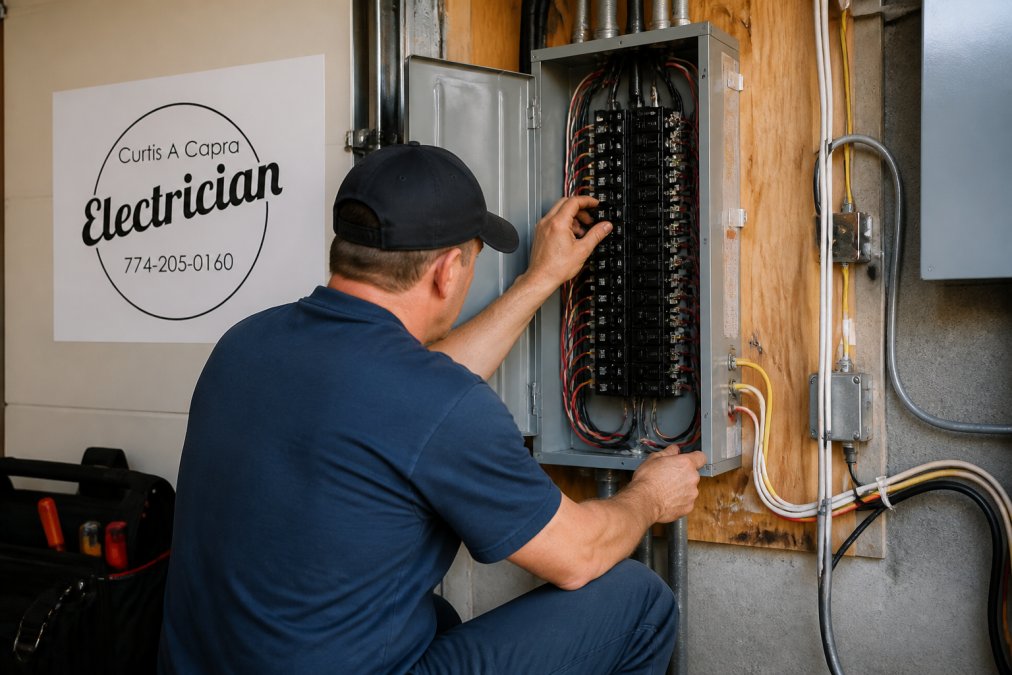
Your service panel is the nerve center of your home's electrical system. It distributes power safely and shuts down circuits when they're overloaded. Most homeowners never look inside their panel, that's actually the right approach for safety reasons. But you should inspect the exterior monthly and have a licensed electrician inspect the interior annually.
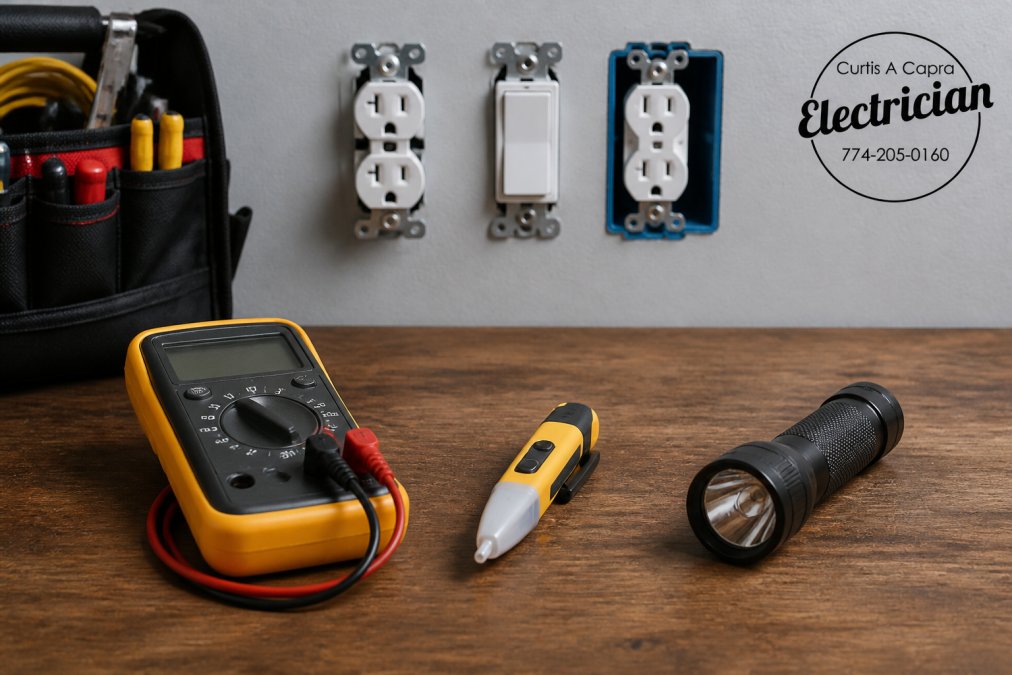
Electrical Maintenance Tools for Homeowners
You don't need a full electrician's toolkit to perform basic maintenance. Three tools cover most residential electrical maintenance checklist tasks.
Hiring a Licensed Electrician for Home Inspection
Knowing when to call a professional is as important as knowing what you can handle yourself. A licensed electrician brings training, specialized equipment, and liability insurance that protects you if something goes wrong.
Smart Home Electrical Load Management and Energy Efficiency
Modern homes draw more power than older systems were designed for. Heat pumps, EV chargers, and smart home devices all add load to your electrical system. A residential electrical maintenance checklist should account for your total electrical demand.
DIY vs. Professional Scope: What You Can and Cannot Do
The line between safe DIY maintenance and work that requires a licensed electrician is clear. Stay on the DIY side of this line.
You can do:
- Test outlets and circuits with a multimeter
- Replace outlet covers and switch plates
- Change light bulbs and fixtures that don't require rewiring
- Inspect wiring and connections for visible damage
- Test GFCI and AFCI outlets monthly
- Clean and organize your electrical panel exterior
- Document your maintenance on a residential electrical maintenance checklist
You cannot do:
- Work inside your service panel or touch circuit breakers
- Install new circuits or rewire existing ones
- Upgrade your service panel or main breaker
- Repair damaged wiring, you must replace it
- Install hardwired appliances like heat pumps or EV chargers
- Modify grounding or bonding systems
- Work on any system carrying more than 50 volts
Frequently Asked Questions
What should be included in a residential electrical maintenance checklist?
A comprehensive residential electrical maintenance checklist includes testing GFCI and AFCI outlets monthly, inspecting wiring for damage, checking circuit breaker operation, examining smoke and carbon monoxide detectors, testing surge protectors, inspecting outdoor electrical components for corrosion or weathering damage, and scheduling annual professional inspections. The checklist should also cover checking for signs of overheating around outlets and switches, ensuring proper grounding and bonding, and verifying that your electrical panel is accessible and clearly labeled. Curtis Capra Electrician recommends keeping a dated log of all maintenance performed.
How often should you perform residential electrical maintenance?
Monthly testing of GFCI and AFCI outlets takes just minutes but catches ground faults early. Seasonal inspections should occur before winter and summer when electrical loads increase. Your electrical panel should be inspected at least annually by a licensed electrician, especially in older homes or after major appliance installations. Smoke and carbon monoxide detectors need battery checks monthly and replacement every 10 years. Curtis Capra Electrician recommends scheduling a comprehensive professional inspection every 3-5 years, or immediately if you notice signs of faulty electrical wiring, frequent breaker trips, or flickering lights.
Can homeowners perform their own electrical maintenance, or should I hire a professional?
Homeowners can safely perform visual inspections, test GFCI outlets, check smoke detectors, and look for obvious signs of damage like frayed cords or discolored outlets. However, any work involving the service panel, rewiring, upgrading circuit capacity, or installing new circuits requires a licensed electrician. Hiring a licensed electrician for home inspection ensures compliance with electrical code and protects your safety and insurance coverage. Curtis Capra Electrician, a fully licensed and insured professional with over 25 years of experience serving Cape Cod, handles all professional-scope work and can guide you on what's safe for DIY maintenance.
What are the most critical electrical safety checks for homeowners in 2026?
Priority checks include verifying proper grounding and bonding throughout your home, testing all GFCI outlets in kitchens and bathrooms, inspecting wiring insulation for cracks or damage, checking for arc faults near bedrooms, ensuring surge protection on sensitive electronics, and confirming your electrical panel has adequate load capacity for modern appliances and smart home devices. Outdoor electrical components should be weatherproofed and free from corrosion. If your home is older, have a professional assess whether aluminum wiring is present, as it requires special handling. Curtis Capra Electrician recommends a professional safety audit if you're planning upgrades like heat pump installations or standby generators.
Electrical safety isn't complicated, but it demands consistent attention. A residential electrical maintenance checklist keeps you ahead of problems that could damage your home or harm your family. Start with monthly outlet testing and annual professional inspections. Curtis Capra Electrician helps Cape Cod homeowners build maintenance routines that work. Get a free quote to schedule your professional electrical inspection and ensure your home is safe for years to come.